
lol
外交部:菲方心虚了,气急败坏、毫无底线_我的网站

一 |
不见棺材不落泪,马科斯政府终于尝到恶果!外交部刚对菲交底,就传来中方在南海重启填海造岛的消息,数十艘舰船齐出动。 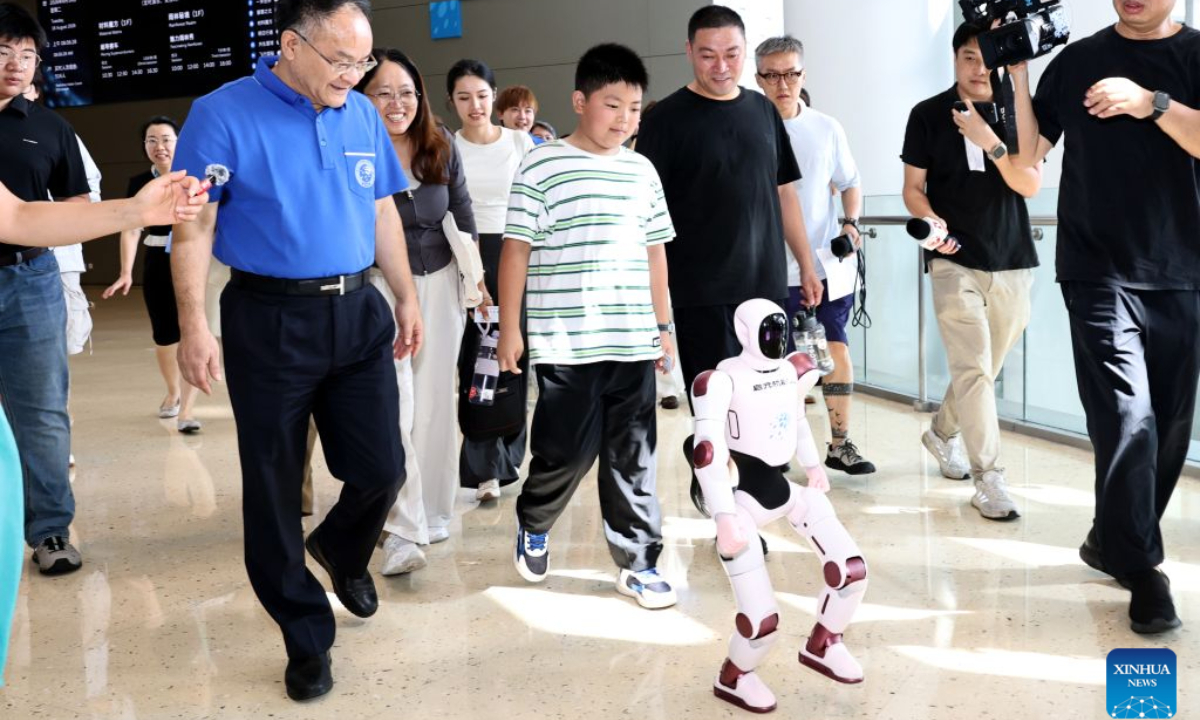
Zhang Zhiheng, a boy from east China's Shandong Province, was the landmark visitor. He visited the museum with his parents on the second day of his first trip to Shanghai.
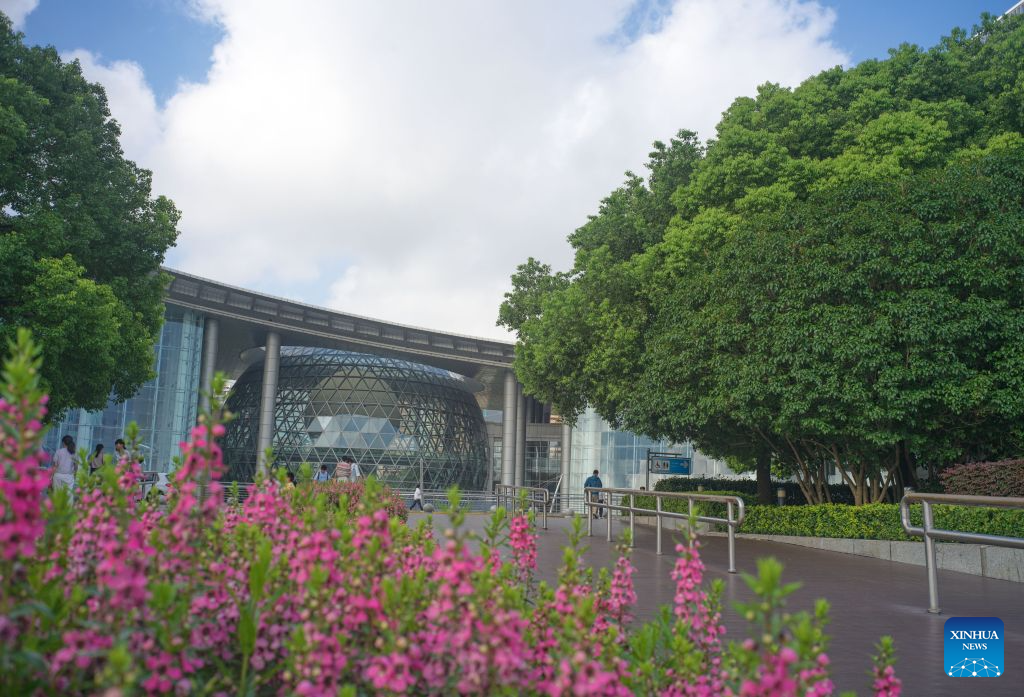
Since opening its doors to the public in late 2001, the museum has grown into one of China's most popular science and education destinations. Through a wide range of science and technology activities and programs, it remains dedicated to boosting public scientific literacy and sparking curiosity in visitors of all ages.
After being closed for over two years for upgrading, the museum reopened early this year. It now also includes two branches: the Shanghai Natural History Museum and the Shanghai Astronomy Museum.
Back in 2001, the proportion of Chinese citizens with scientific literacy was only 1.4 percent, and the figure had risen to 16.74 percent by 2025, according to official data.
As public interest in science has grown, visits to science and technology museums have increasingly become part of everyday life.
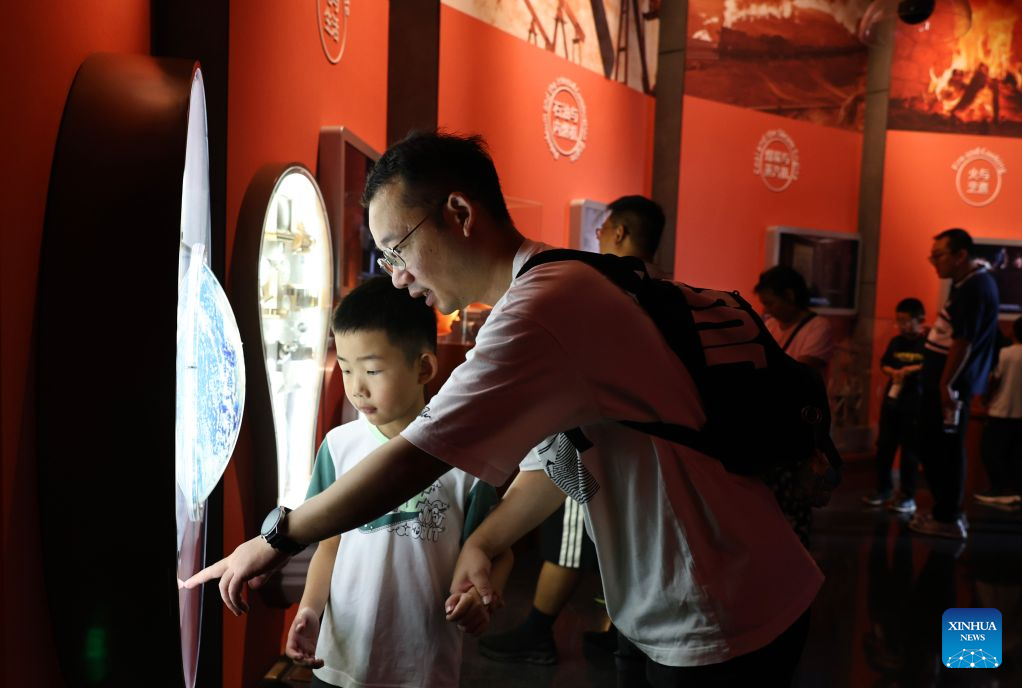
For many families, museums have become a popular destination during holidays and weekends, offering children opportunities to expand their knowledge and broaden their horizons.
"The biggest change I feel during my museum visits is that science and technology keep advancing," said Zheng Qina, a post‑90s visitor from Shanghai. She was nine years old when she visited the museum in 2001. Today, her five‑year‑old son is also a regular visitor.
The trend is also extending to international travelers. With China's inbound tourism gaining momentum following eased visa policies, science museums have emerged as an increasingly popular destination for overseas visitors seeking a closer look at the country's technological development.
From January to July this year, the Shanghai Science and Technology Museum and its two branches received nearly 200,000 foreign visitors, accounting for nearly 5 percent of the total visitor numbers.
Francisco and his parents, a family from Italy, were among the visitors on Tuesday. After touring an exhibition on green energy, Francisco said he was deeply impressed by displays showcasing China's nuclear and hydrogen energy technologies.
In recent years, China has made major advances in fields ranging from artificial intelligence and humanoid robots to quantum science, green energy, space technology, life sciences and physical sciences. Science and technology museums offer visitors an opportunity to explore some of these developments through exhibitions and interactive experiences.
For Ni Minjing, director of the Shanghai Science and Technology Museum, a notable change among visitors is that they have shifted from passive recipients of knowledge to more active explorers of science.
"Teenagers in particular now have abundant channels to acquire knowledge. The role of science and technology museums can no longer be merely about resolving doubts," Ni said. "Instead, through diverse forms of science popularization, museums should inspire visitors, especially young people, to think and create."
"We will continue to innovate the way we popularize science, enrich science-related content, promote the spirit of scientists and foster a culture of innovation, so as to spark young people's curiosity, imagination and desire to explore," Ni added.
。菲方则扬言反击将至,他们准备采取什么措施回应呢?
Zhang Zhiheng, a boy from east China's Shandong Province, was the landmark visitor. He visited the museum with his parents on the second day of his first trip to Shanghai.
Since opening its doors to the public in late 2001, the museum has grown into one of China's most popular science and education destinations. Through a wide range of science and technology activities and programs, it remains dedicated to boosting public scientific literacy and sparking curiosity in visitors of all ages.
After being closed for over two years for upgrading, the museum reopened early this year. It now also includes two branches: the Shanghai Natural History Museum and the Shanghai Astronomy Museum.
Back in 2001, the proportion of Chinese citizens with scientific literacy was only 1.4 percent, and the figure had risen to 16.74 percent by 2025, according to official data.
As public interest in science has grown, visits to science and technology museums have increasingly become part of everyday life.
For many families, museums have become a popular destination during holidays and weekends, offering children opportunities to expand their knowledge and broaden their horizons.
"The biggest change I feel during my museum visits is that science and technology keep advancing," said Zheng Qina, a post‑90s visitor from Shanghai. She was nine years old when she visited the museum in 2001. Today, her five‑year‑old son is also a regular visitor.
The trend is also extending to international travelers. With China's inbound tourism gaining momentum following eased visa policies, science museums have emerged as an increasingly popular destination for overseas visitors seeking a closer look at the country's technological development.
From January to July this year, the Shanghai Science and Technology Museum and its two branches received nearly 200,000 foreign visitors, accounting for nearly 5 percent of the total visitor numbers.
Francisco and his parents, a family from Italy, were among the visitors on Tuesday. After touring an exhibition on green energy, Francisco said he was deeply impressed by displays showcasing China's nuclear and hydrogen energy technologies.
In recent years, China has made major advances in fields ranging from artificial intelligence and humanoid robots to quantum science, green energy, space technology, life sciences and physical sciences. Science and technology museums offer visitors an opportunity to explore some of these developments through exhibitions and interactive experiences.
For Ni Minjing, director of the Shanghai Science and Technology Museum, a notable change among visitors is that they have shifted from passive recipients of knowledge to more active explorers of science.
"Teenagers in particular now have abundant channels to acquire knowledge. The role of science and technology museums can no longer be merely about resolving doubts," Ni said. "Instead, through diverse forms of science popularization, museums should inspire visitors, especially young people, to think and create."
"We will continue to innovate the way we popularize science, enrich science-related content, promote the spirit of scientists and foster a culture of innovation, so as to spark young people's curiosity, imagination and desire to explore," Ni added.
。菲方则扬言反击将至,他们准备采取什么措施回应呢?
据北京日报客户端报道,几天前在记者会上面对有媒体发问,菲国家安全顾问嚷嚷着要将中国外交官员驱逐出境一事,我国外交部发言人林剑回应称,菲律宾的有关表态恰好说明看到摆在眼前的事实和证据,他们开始心虚了,所以气急败坏。

二 |
并称,我方郑重要求菲律宾方面停止一切挑衅侵犯中国主权的行为,确保中国外交官能正常履行职务,同时还告诫菲方切勿轻举妄动,奉劝不要作茧自缚!
那么,究竟该如何解读外交部的这番表态呢?要知道,菲方近来先是派船强闯黄岩岛,交锋期间菲船试图冲撞我海警船,以便于事后编造中国在南海“以大欺小”的谎言;随后,菲律宾又是矢口否认曾就为仁爱礁非法“坐滩”舰运送补给和中方达成的“新模式”协定,就算美媒放出了中菲就“新模式”达成一致的录音记录,面对如此实锤,菲方依旧硬着头皮抵赖,乃至菲军方官员咬死不承认,甚至倒打一耙称录音通话是“伪造”的,而菲律宾国家安全顾问更是反应激烈,恐吓要驱逐中方外交官。
根据菲方上述的种种言行不难发现,我国外交部这是在明明白白地对马科斯政府交底,警告他们不要再耍赖,做了就是做了,更别憋着什么坏妄想着在仁爱礁、黄岩岛等地上演另一出“好戏”,若继续造谣诋毁中国,休怪中国不客气!
凑巧的是,我外交部话音刚落,马科斯政府就发现了不对劲,声称中国又在南海方向出手,重启填海造岛,具体地点不是仁爱礁也不是黄岩岛,而是仙宾礁。
菲律宾海岸警卫队发言人塔里埃拉对外披露,称发现中国在仙宾礁存在填海造岛的活动,表示中方数十艘舰船齐出动,守在仙宾礁附近。

三 |
而既然提到了中国在仙宾礁填海造岛,就不得不补充一点,那就是该礁距离巴拉望岛大概只有160公里。可想而知,我们不论是在此地修建基础设施,还是军事设施,都足以对菲律宾本土形成强有力的威慑。
对此菲律宾自然是十分不愿意看到,于是除了指责中方偷偷摸摸在南海填海造岛,声称数十艘舰船在仙宾礁的出现让人感到“惊讶”之外,塔里埃拉还扬言,将派出一支海洋科学家赶赴仙宾礁。
换言之,这句话可以理解为威胁中方立刻停止填海造岛的工作,否则作为反击,菲方将出动科考队考察如何开发仙宾礁。
但还是那句话,中国对南海诸岛拥有无可争辩的主权,中方在自家领土上想建什么就建什么,菲律宾管不着,而且也没那个能力制止,只能在一旁干着急!
Current article:http://8oexz.longdachemakuanshan.pics/list_q0te3/rrr.html
Published on:04:12:40